
Equipment Build Guide: Plan Five Slots, Sets, Options, and Runes
Build around compatible body parts and verified option pools, then check set thresholds, enhancement targets, Runes, and the items still missing.
Current Orbis version
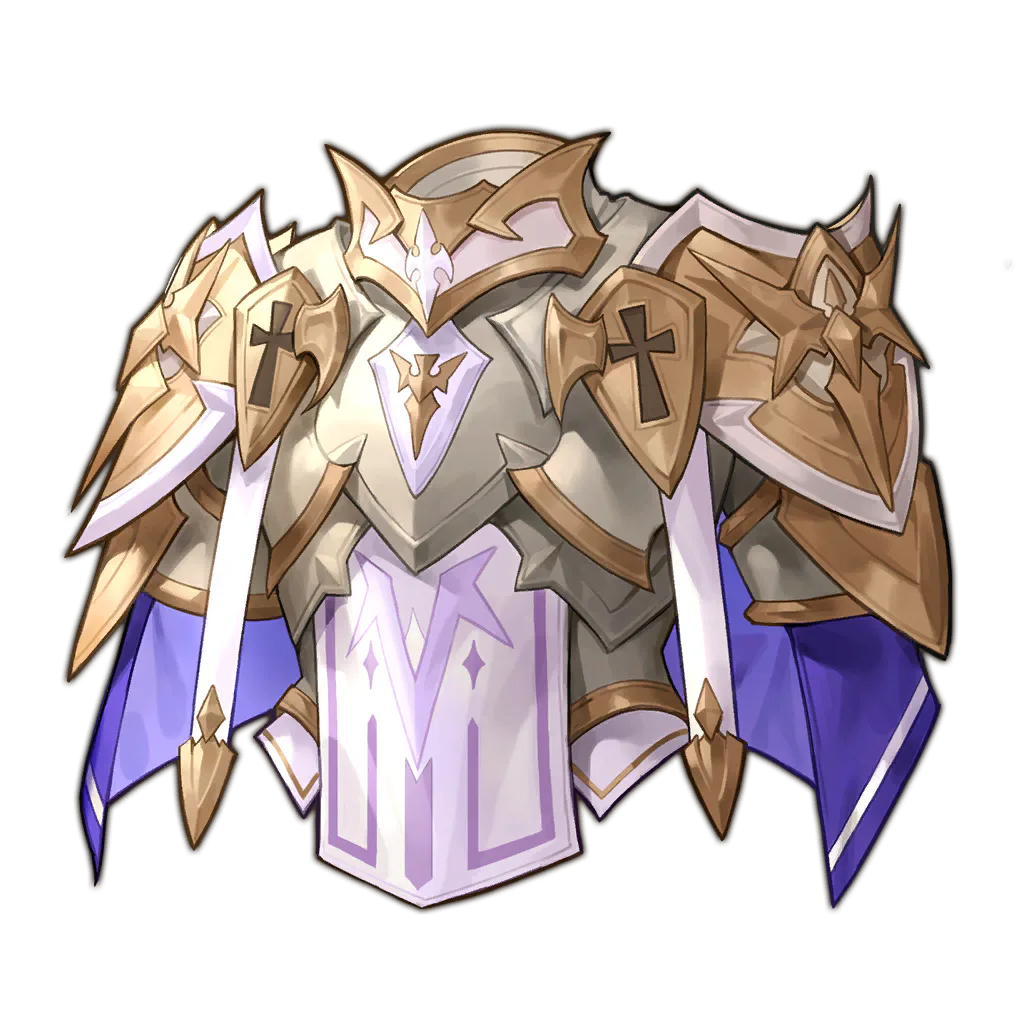
Separate the five questions equipment asks
A loadout has five body slots, and each slot answers a different question. Compatibility decides which item fits which hero. The option pool decides which stats can appear on a drop. Set progress decides whether thresholds like the two-piece and three-piece bonuses activate. Enhancement raises the item's own values, and Runes add a separate layer on top. Mixing these questions is the most common build error—a "good" item that is incompatible, or a set piece with no useful options. The equipment database /equipment separates all five on every record.
The practical order is compatibility first, then options, then sets, then enhancement and Runes. An item that does not fit is worth zero regardless of its stats; an item with a wrong option pool cannot roll the stat you want no matter how many rerolls you spend. The build planner /build-planner applies the same order when comparing loadouts.
Read compatibility and the option pool before hunting
Compatibility restricts which hero can equip an item, and it is per-item in the database rather than a universal rule. Check the hero's slot and the item's compatible heroes in the equipment database /equipment before farming or buying. The option pool is the set of stats the item can roll; the database lists the candidates, which tells you whether a desired stat is even possible on that slot. A farm target should be chosen by both filters together: an item that fits the hero and can roll the stat the build needs.
Set pieces add a third filter. Sets grant bonuses at piece thresholds, and the current catalog includes sets with stat bonuses at two pieces and conditional effects at three—for example, a set that boosts Stun damage at two pieces and grants an attack buff when tagging at three. The equipment database /equipment shows every set's thresholds and effects, so the build target is a set, not just an item.
Choose set thresholds that match the rotation
Set bonuses are evaluated against the rotation, not in isolation. A two-piece Stun damage bonus only pays if the team's chain uses Stun; a tag-triggered attack buff only pays if the rotation tags often enough to keep it up. Compare the set's conditional effects against the chain in the team builder /team-build before chasing three pieces. A set that looks strong on paper but does not line up with the team's statuses is a wasted farm.
Mixed sets are a valid midgame choice. Two two-piece bonuses from different sets can beat a three-piece bonus the team cannot trigger, and the build planner /build-planner shows the comparison without spending materials.
Enhance and slot Runes on the pieces you keep
Enhancement raises the item's values and costs materials that the whole roster shares, so the enhancement budget belongs to the pieces the active trio will keep. The same discipline applies to Runes: slot and replace Runes on the loadout the chain depends on, and leave transitional gear un-enhanced. The build planner /build-planner tracks enhancement targets and Rune slots per piece, and the material planner /material-planner shows what the upgrades actually cost.
Rerolls and Rune replacements are the expensive controls. The option pool decides what a reroll can produce, so spending rerolls on an item whose pool lacks the target stat is the classic trap. Verify the pool in the equipment database /equipment before spending.
Rebuild the plan when the chain changes
Equipment follows the team. When the rotation changes—a new connector, a new status family, a new set—re-run the five questions for the new loadout: compatibility, options, sets, enhancement, Runes. The build planner /build-planner keeps the comparison current, and the equipment database /equipment keeps the facts current, so a patch or unlock never leaves the plan based on stale assumptions. Keep a written note of the next missing item and its source; the keeps the facts current, so a patch or unlock never leaves the plan based on stale assumptions. Keep a written note of the next missing item and its source; the item database /items and and Orbis map /map turn the note into a route.
Keep the loadout notes in the same place as the team notes, because the two plans drift together. When the connector changes, the equipment that was right for the old connector usually needs a re-check against the new hero's option pools and set needs, and the build planner /build-planner makes the before-and-after comparison visible without spending materials. A five-minute re-check after every roster change is cheaper than farming a set for a hero that leaves the team next week.