
Boss Hunts Guide: Hunt Arenas, Skill Materials, and the Weekly Cadence
Hunts are the dedicated boss arena feed for skill growth. Learn the activity structure, the material stream, and how co-op changes the session.
Current Orbis version
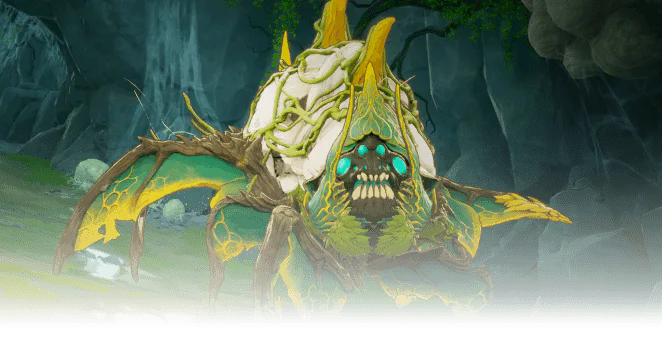
What Hunts are and what they feed
The Hunt is a dedicated boss arena activity, and the game teaches it with its own tutorial quest. The progression data places Hunts among the challenge activities alongside Raids, dungeons, and the World Boss, and the achievement list counts Hunt clears at named encounters such as Furcas, Vanak, Gallore, and the Greedy Ghoul. The community consistently documents Hunts as the skill-material and crafting-resource feed, which matches the game's own placement of the activity in the growth loop. The progress database /progress shows the activity, and the quest database /quests shows the tutorial.
The material stream matters because skill upgrades are the shared bottleneck of the whole roster. A Hunt session produces the materials that feed the chain skills, which makes the activity a supply-chain choice as much as a combat choice. The material planner /material-planner shows which skill milestones are waiting on Hunt materials, so the session has a target.
Read the encounter before building the team
Hunts are named encounters with their own profiles, and the achievement data records the roster of hunt targets. Each encounter asks for a specific approach—status, phases, or survival—so the team should be chosen per encounter rather than per activity. The boss database /bosses shows the field and hunt encounters the current catalog records, and the team builder /team-build verifies that the planned rotation works before the fight.
The party size and co-op rules are part of the session plan. The community reports that the current build uses lobby codes rather than automatic matchmaking, which means a co-op session is arranged, not queued. Plan the session with that in mind: a lobby code to share, a party size that fits the encounter, and a leader who sets the difficulty.
Use the difficulty ladder to tune the yield
The achievement data records Hunt difficulty clears, which means the activity has a difficulty ladder rather than a single setting. The ladder is the tuning control: a comfortable difficulty clears faster and feeds the same material family, while a higher difficulty raises the requirement and the yield. The efficient session runs the highest difficulty the team clears reliably, and the build planner /build-planner compares the team's power against the tier before choosing.
The ladder also affects the co-op decision. A higher difficulty with a partner can clear what a solo team cannot, and the shared session divides the effort while keeping the material stream. The hero database /heroes and team builder /team-build confirm that the partner's heroes complete the rotation instead of duplicating it.
Fit Hunts into the weekly rhythm
Hunts run on the activity cadence, and the weekly plan should place them where the material ledger needs them: a skill milestone waiting on Hunt materials earns a Hunt session, and the session should be scheduled before the milestone's deadline in the plan. The progress database /progress shows the activity list, and the material planner /material-planner shows the deadline, so the schedule is driven by the ledger rather than by habit.
The same session can serve several goals. A Hunt clear counts toward its achievements, feeds the skill materials, and practices the rotation that Raids and the Tower reuse. Scheduling one Hunt session per week as the shared practice slot produces more value than three separate grinds.
Re-check the encounter list after patches
The Hunt roster and difficulty ladder change with patches, and the achievement data updates with them. Before planning a week of Hunts, re-read the current progress database /progress and boss database /bosses, and verify any community claim about a new encounter or reward against the current catalog. The preparation loop stays the same: encounter, team, difficulty, session, ledger—run against the current data every time.
Schedule Hunts as a fixed slot in the weekly loop rather than an ad-hoc grind, because the activity is a supply-chain engine. One standing Hunt session per week, matched to the skill milestone the material planner /material-planner is waiting on, produces a steady material stream and keeps the co-op practice current. When a partner is available, the session doubles as the shared practice slot for the Raid teams, so the same hour serves the Hunt ledger, the achievements, and the rotation warm-up.