
DragonSword: Awakening Best Characters & Tier List
See the complete 19-character list and a verified Tag-chain versatility tier list, then compare every hero's skills, roles, statuses, builds, and teams.
Current Orbis version
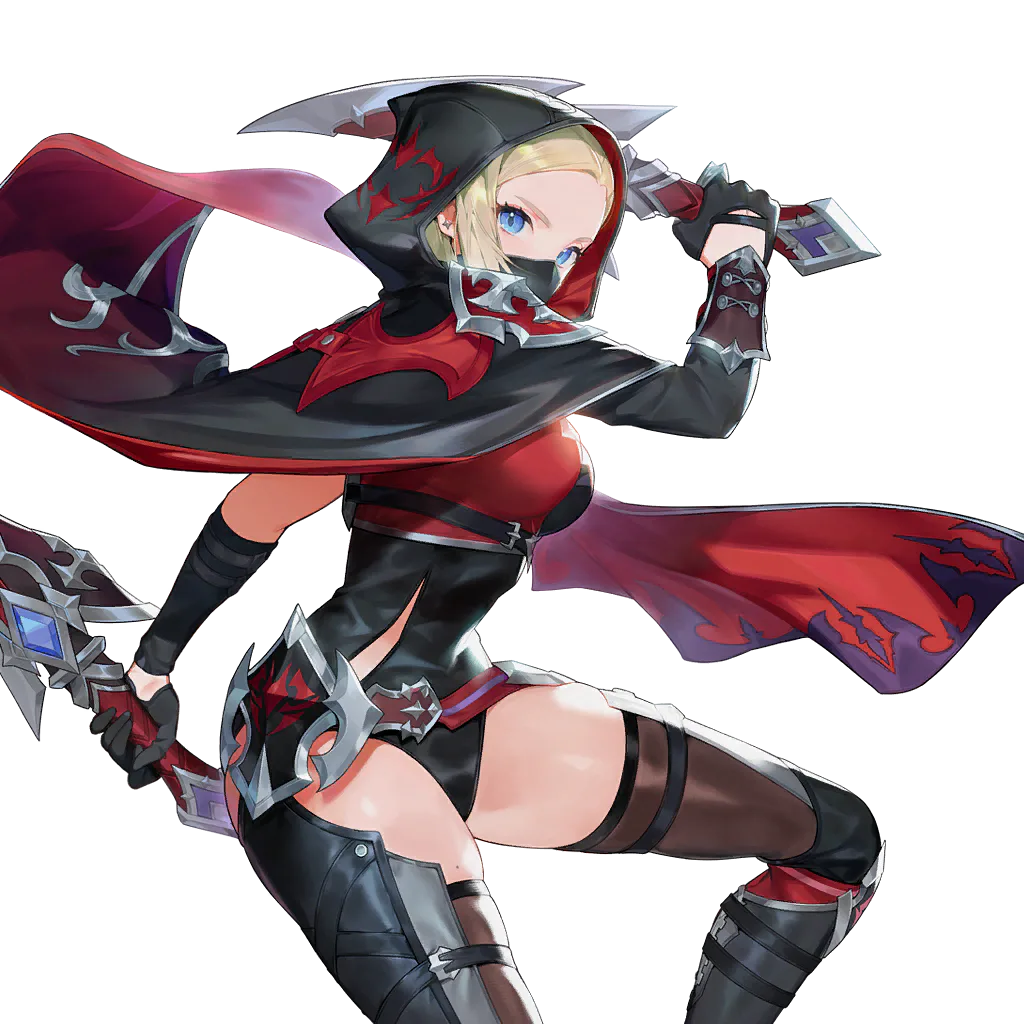
DragonSword: Awakening character tier list
These tiers group heroes by distinct verified Tag-chain partners: S has 11 or more, A has 8–10, B has 6–7, and C has 0–5. Incoming and outgoing skill directions both count. This is a connectivity ranking, not a universal damage tier list.
S3 Heroes



A4 Heroes




B10 Heroes










C2 Heroes


How this tier list is built
The current character list contains 19 playable heroes. This guide tiers only verified Tag-chain versatility—the number of distinct heroes connected by published skill effects and activation conditions—rather than damage, survivability, or account value. Incoming and outgoing skill directions both count, and the ranking is computed from the same apply-and-consume rules the team builder /team-build uses. A hero ranked high here connects with many others; a hero ranked lower may still be the best choice for a specific chain you already own.
The tier table below lists every hero with its verified partner count. S-tier heroes connect with 11 or more distinct partners, A-tier with 8–10, B-tier with 6–7, and C-tier with 0–5. Use the table to find candidates for a broken edge, then confirm the exact skills and unlock requirements in the hero database /heroes.
Why versatility matters for most players
A versatile hero repairs more teams. When the connector of your rotation is missing, a hero with overlapping apply and consume sets—such as Lute (Stun and Down), Ornette (Shock and Down), Kalsion (Fire and Air), or Johnny (Poison and Air)—can fill the slot from several directions. The current roster's status coverage is uneven: Air, Down, and Stun have several applicants, while Poison, Fire, and Ice have fewer, so heroes on rare statuses anchor entire families.
Versatility has a cost: it measures options, not performance. A specialist like Kalien, who applies Fire and Stun but consumes no enemy status in the published data, is a strong opener for a Fire route even when her partner count is lower than the connectors'. Choose the ranking that answers your question—breadth for repairs, status family for building a specific chain. The team builder /team-build evaluates the actual route either way.
Compare skills, roles, and statuses before investing
Every hero page in the database lists skills with their type, level, and chain requirements, plus the hero's role tags and recommended partners. Before investing materials, confirm three things: the skill that applies your status is unlocked at a reachable level, the consuming Signal exists on the partner you plan to use, and the hero fits a role your team actually needs. The hero database /heroes covers all three.
Rarity and grade describe the hero's starting strength, but the chain rules treat every hero by the same status logic. A lower-grade hero that completes a working chain today is worth more than a higher-grade hero that requires an expensive ascension step to connect. Check the requirements in the material planner /material-planner before committing to either.
Build a team around a tier, not the other way around
Pick a status family first, then choose heroes within the tier that covers it. A Stun family uses Lute, Castella, Theresia, and Astria; an Air family uses Castella, Charlotte, Johnny, Kalsion, and Cerese; a Bleed family uses Roxy and Theresia. Within the family, assign the opener, connector, and finisher roles by apply and consume direction, then verify the route in the team builder /team-build. The tier list helps you find alternatives when one member is missing.
For a flexible account, prioritize heroes that appear in several families. The partner counts in the table approximate that flexibility, and the hero database /heroes lets you expand any family by comparing status sets. A roster with two working families survives content changes better than one optimized single chain.
Re-check the list after every roster change
The tier table is computed from the current 19-hero roster and the published skill rules, so it changes when the roster or the rules change. Re-verify after any unlock, patch, or respec: a new hero can push a connector across a tier boundary, and a skill change can add or remove a whole family. The team builder /team-build always evaluates the current rules, and the hero database /heroes always shows the current skills, so the pair of pages stays accurate even when a printed list goes stale. Treat any third-party tier list the same way: verify against the current data before spending.
The tier table answers breadth questions, and the status family answers depth questions, so keep both filters in the same session. After checking a hero's tier and partner count, open the hero database /heroes for its exact apply-and-consume sets and the team builder /team-build for the family it anchors, then judge whether the breadth or the depth matters more for the current roster. The two-page check takes a minute and prevents the most common mistake with tier lists—buying a high-tier hero that duplicates a family you already have.